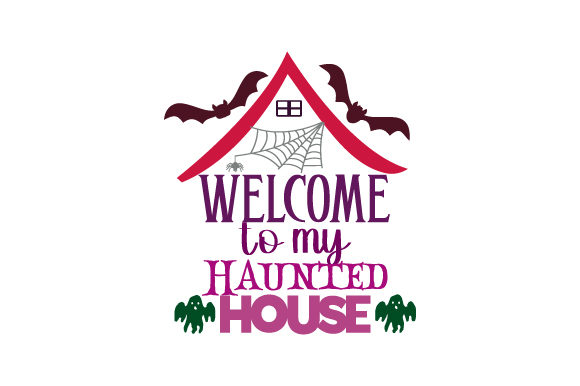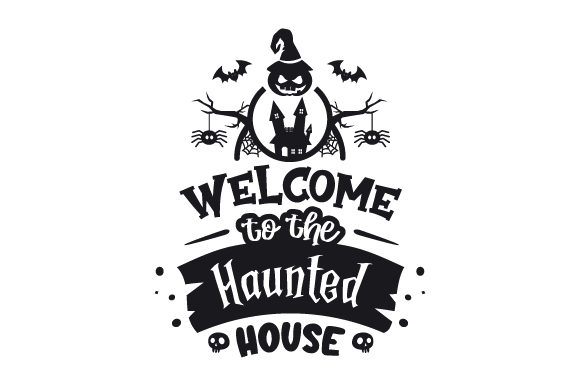
Welcome to the Haunted House Halloween Crafts Design
As a digital publisher and blog designer, I always look for graphic design assets that can elevate content presentation while aligning with editorial goals. Welcome to the Haunted House is one such asset that immediately caught my attention for its playful yet polished aesthetic. This Halloween-themed craft design brings a spooky, seasonal energy that feels both festive and professional—perfect for niche content publishing around fall events or themed campaigns.
A Spooky First Impression with Editorial Purpose
The first thing that stands out about Welcome to the Haunted House is its visual storytelling. The design evokes a whimsical Halloween atmosphere with clever typography and thematic illustrations. It’s not just decorative; it communicates a clear mood—playful, inviting, and slightly eerie. This makes it ideal for lifestyle-focused content, seasonal blogs, or even affiliate marketing pages centered around Halloween crafts and decor.
Its artistic style leans toward the decorative but remains clean enough to avoid overwhelming readers. This balance ensures that the asset supports content without overshadowing it, making it suitable for a wide range of editorial formats.
Real Publishing Use Cases for Welcome to the Haunted House
Welcome to the Haunted House can be seamlessly integrated into various content publishing scenarios:
- Blog Featured Images: As a hero image or article header, this design adds a seasonal flair that draws readers in, especially on lifestyle or DIY blogs.
- Pinterest Graphics: The spooky visuals and text make it an excellent Pinterest pin for Halloween-related content, increasing click-through rates and engagement.
- Newsletter Headers: Used as a banner or header for email newsletters, it reinforces brand identity and sets the tone for seasonal promotions.
- Downloadable Resources: Perfect for printable designs like welcome signs, decorations, and posters included in digital guides or lead magnets.
- Social Media Previews: Works well as a social media graphic, especially when paired with engaging text about Halloween events or product launches.
- Canva Templates: Can be used as a base for creating custom templates for blog graphics, promotional materials, or editorial layouts.
This versatility means it can support multiple facets of content marketing, from affiliate marketing to small business branding, ensuring consistent visual identity across platforms.
Boosting Content Performance with Visual Appeal
One of the key benefits of using Welcome to the Haunted House is its ability to enhance content performance. A stronger first impression can significantly increase reader interest, especially for seasonal topics. The bold visual hierarchy ensures that headlines and calls-to-action stand out, improving click-through potential.
Additionally, this design contributes to better category recognition and improved reader trust by maintaining a cohesive brand identity. Whether you're publishing a digital guide or promoting a Halloween-themed product, this asset helps your content feel more professional and visually appealing.
Where This Design Works Best
For optimal results, consider using Welcome to the Haunted House in these areas:
- Hero Images: On landing pages or blog homepages to create a strong visual impact.
- Article Thumbnails: For blog posts related to Halloween crafts, DIY projects, or seasonal events.
- Pinterest Pins: To drive traffic to your blog or affiliate links.
- Editorial Accents: As a background element or border in editorial layouts to reinforce the seasonal theme.
- Content Upgrades: Included in free resources or lead magnets to add value and encourage sign-ups.
- Category Visuals: For website sections dedicated to Halloween content or creative crafts.
Use with Caution in Specific Contexts
While Welcome to the Haunted House is highly effective in many situations, it may not be the best fit for all. Avoid using it in contexts where a minimalist or serious tone is required, such as corporate content, academic websites, or professional niches. Additionally, ensure it doesn’t get lost in busy layouts or small mobile thumbnails where detail might be difficult to see.
It also pairs best with content that has a playful or lifestyle-oriented focus. Using it on text-heavy blog images or low-contrast backgrounds could reduce readability and diminish its effectiveness.
Publisher Notes: Practical Tips for Implementation
To get the most out of Welcome to the Haunted House, follow these practical steps:
- Test Across Devices: Check how it looks on desktop and mobile screens to ensure responsiveness.
- Thumbnail Preview: Ensure it works well as a thumbnail in blog feeds or social media grids.
- Real Blog Layout Test: Place it inside your actual blog layout to see how it interacts with other elements.
- Headline Compatibility: Test it with different headline text styles to maintain visual balance.
- Contrast & Readability: Always verify that text overlays are legible against the background.
- Black & White Preview: Confirm that the design still works effectively in grayscale.
- Font Pairing: Try it with various font types (serif, sans serif, script, etc.) to find the best match.
- File Size Optimization: Compress the image for web performance without losing quality.
- Licensing Check: Confirm commercial licensing before using it on monetized sites, affiliate pages, or paid products.
By taking these steps, you can ensure that Welcome to the Haunted House enhances your content rather than detracts from it.
Final Thoughts on a Creative Design Asset
Welcome to the Haunted House is more than just a fun Halloween craft design—it's a versatile tool that can elevate editorial content, strengthen brand identity, and improve reader engagement. Whether you're working on a digital guide, blog post, or social media campaign, this asset provides a professional and eye-catching way to present your message.
For bloggers, publishers, and content creators looking to add a touch of creativity to their work, this design is a valuable addition to any graphic design asset library. Just remember to use it strategically and test it thoroughly before final implementation.